I recently
wrote about the terrible sleep habits of the characters in
House of Cards. I disapproved of Frank Underwood’s late-night computer work in the Oval Office, his new midnight iPad gaming habit, and Claire taking her laptop to bed with her.
But I must confess my hypocrisy.
Despite my preaching - and despite being a sleep researcher myself - the last thing I do before I flip off the lights and snuggle into my bedsheets is play games on my iPhone.
I know, I’m bad - but I also know I’m not the only guilty person here.
 |
| Chhe (Wikimedia Commons) |
Although evidence suggests that the blue light emanating from phones, tablets, laptops, televisions and e-readers can affect the quality of our sleep - in turn affecting our health and well-being - many of us can’t help logging in and tapping away when we should be winding down. A Time/Qualcomm poll of 5,000 people worldwide suggests that nearly a quarter of those between the ages of 18 and 24 generally don’t sleep as well because of technology. Even worse, 40-75% of folks across all age groups report keeping their phones within reach while they sleep at night.
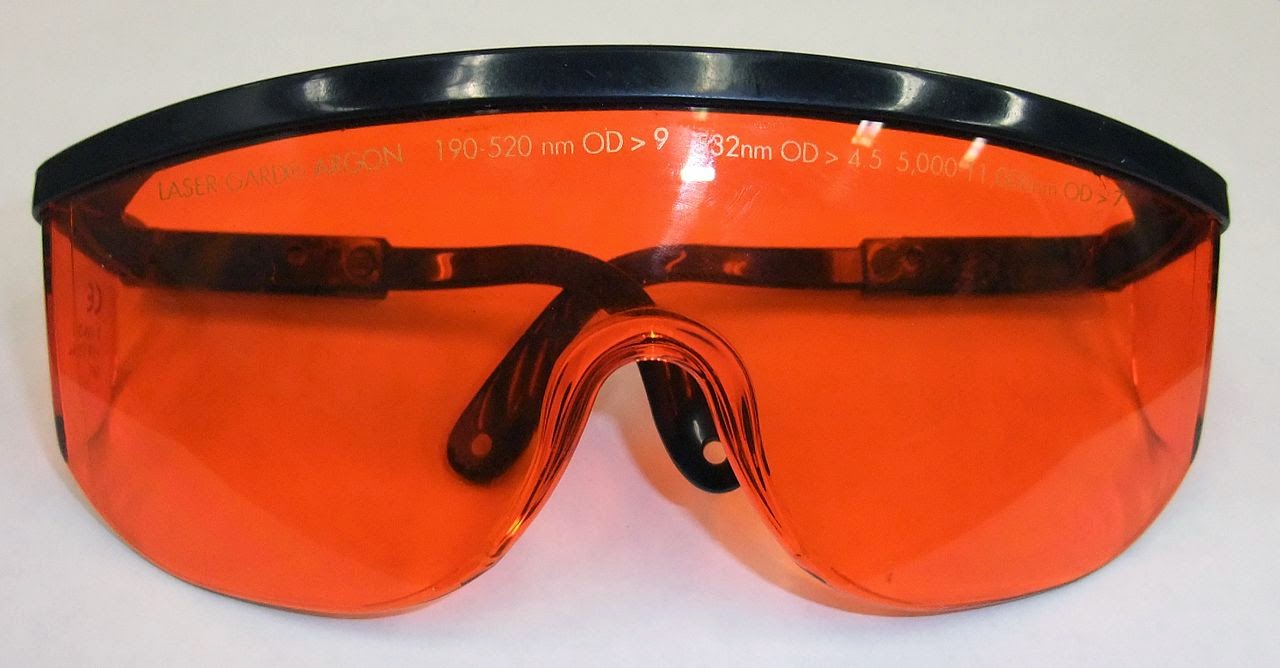
But there might be a solution. Earlier this month, orange-tinted glasses, or “blue blockers,” were touted by the
New York Times as a good option for those who simply can’t avoid technology before bed.
As a concerned scientist, I decided to do an experiment on myself. I hopped onto Amazon, bought an $8 pair of orange glasses, and formulated my research plan.
Without changing any of my other habits, would wearing these glasses an hour before bed improve the quality of my sleep?


